
Balconies Trail
Picnic areas
Along the way Chaparral Picnic Area
Hike Balconies Cliffs Trail to Balconies Cave Trail Loop the Park Service's write-up
1-2 Hours · no dogs
Start Balconies Trailhead
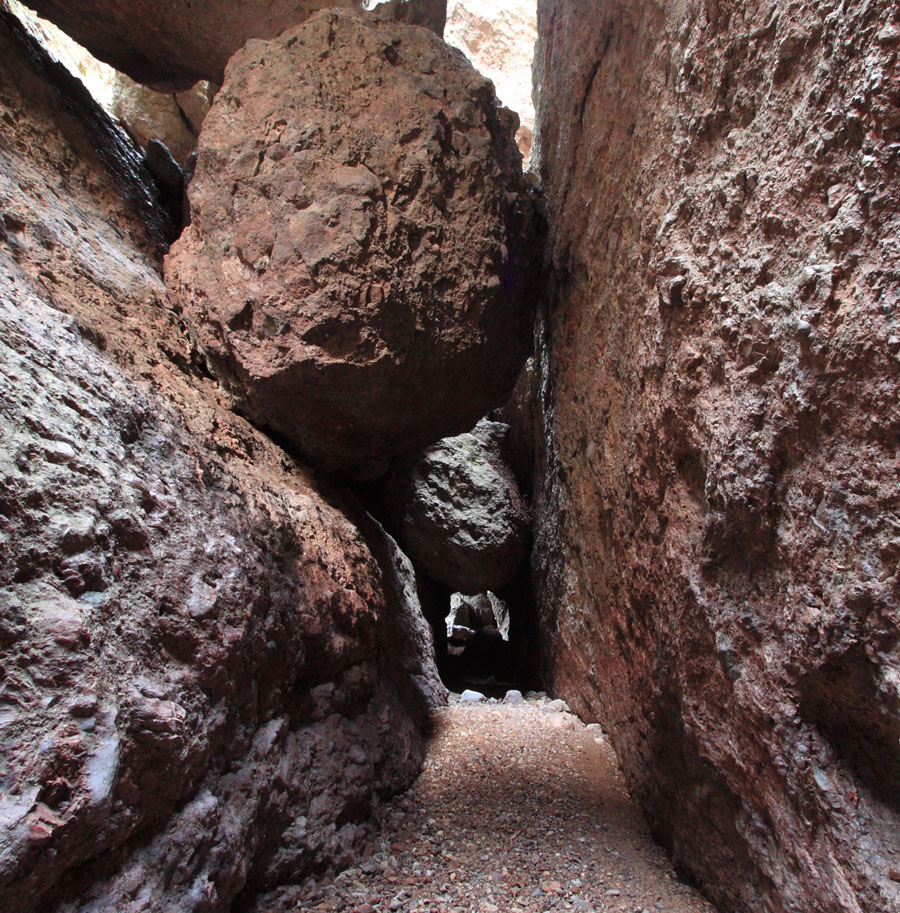
Scramble through the talus passages of the Balconies Cave . Explore rock cliffs and narrow canyons toppled by huge boulders.
This trail crosses up and over the Balconies Cave, then descends back down to the Old Pinnacles Trail and Balconies Cave Trail junction, which leads back through the cave.
*Accessing from the east side, see "Hike Old Pinnacles Trail to Balconies Cave".
Recreate Responsibly. Check park webpage alerts and weather forecast . Hiking, caving, and climbing can be fun but remember-if you get injured, you are a long way from medical help. Cell phones may not work in this remote park. Don't let your guard down when it comes to safety. Be prepared. Let someone know your plan before you go. Most of the trails are exposed. Bring a map and use the best judgement of your abilities. Drinking water is only available in developed areas-there is no water along any of the trails. Carry at least a liter of water for every hour of hiking. In winter, wear warm clothes and waterproof clothing. In summer, do not hike during the hottest parts of the day (10AM-4PM) especially on strenuous trails. Heat and dehydration can be fatal. Hiking steep trails requires more energy and results in greater water loss through sweating. Wear lightweight, light-colored, loose-fitting clothing. Wear sunscreen, a hat, and sunglasses. Wear sturdy, non-slip shoes or boots with ankle support due to rocky, uneven terrain and slick and sometimes slippery rocks. In all seasons, carry plenty of water and salty snacks (ex. pretzels, crackers, chips). Stay hydrated with plain water and an electrolyte drink replacement. Stay cool in summer and warm in winter and take rest breaks. Know your limits and turn back if needed. Stay on established trails to help prevent erosion. Wildflowers, pine cones, rocks, and other natural and cultural features are beautiful, but please do not remove or destroy them;leave them for the enjoyment of other visitors. All plants, animals, rocks, and structures in the park are protected by federal law. Be careful where you sit, step, and place your hands: poison oak, stinging nettle, and rattlesnakes are found here. Feeding, approaching, or hunting wildlife is prohibited. Using remotely piloted aircrafts like drones is prohibited.
Plan ahead and prepare. Take only pictures and leave only footprints, leaving objects as you find them. Observe wildlife from a distance and avoid loud voices or noises to be considerate of others.
Accessibility Difficulty: Moderate Distance: Approx. 2.4 mile loop Trail width: Approx. 2 - 4 feet Maximum grade: 200 feet Surface Composition: dirt, rock Exposure: Limited shade, no shade on Balconies Cliffs Trail Flashlight required in the cave; Watch for low ceilings, slippery rocks, and uneven footing. Wading may be necessary in the winter when precipitation creates; Cave may be closed for short periods in winter due to flooding. *Service animals permitted
Hike Bench Trail to Balconies Cave Trail the Park Service's write-up
4-6 Hours · no dogs
Start Bench Trailhead
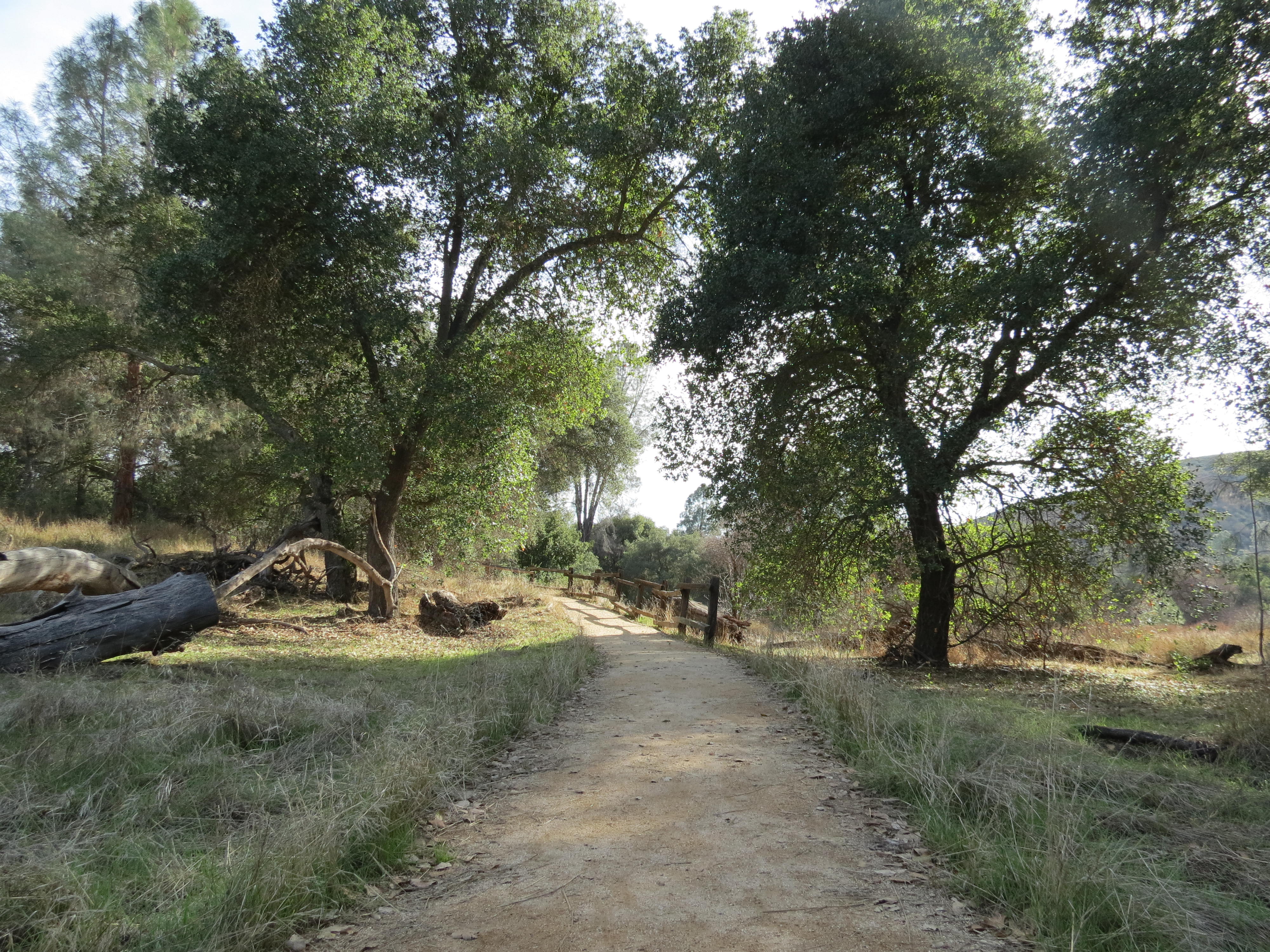
Hike along sunny Chalone Creek on the Bench and Old Pinnacles trails to Balconies Cave . On the return trip, cross over the cave via the Balconies Cliffs for views of formations.
A section of the Bench Trail between Peaks View and South Wilderness Trail may be accessible to visitors in wheelchairs.
Recreate Responsibly. Check park webpage alerts and weather forecast . Hiking, caving, and climbing can be fun but remember-if you get injured, you are a long way from medical help. Cell phones may not work in this remote park. Don't let your guard down when it comes to safety. Be prepared. Let someone know your plan before you go. Most of the trails are exposed. Bring a map and use the best judgement of your abilities. Drinking water is only available in developed areas-there is no water along any of the trails. Carry at least a liter of water for every hour of hiking. In winter, wear warm clothes and waterproof clothing. In summer, do not hike during the hottest parts of the day (10AM-4PM) especially on strenuous trails. Heat and dehydration can be fatal. Hiking steep trails requires more energy and results in greater water loss through sweating. Wear lightweight, light-colored, loose-fitting clothing. Wear sunscreen, a hat, and sunglasses. Wear sturdy, non-slip shoes or boots with ankle support due to rocky, uneven terrain and slick and sometimes slippery rocks. In all seasons, carry plenty of water and salty snacks (ex. pretzels, crackers, chips). Stay hydrated with plain water and an electrolyte drink replacement. Stay cool in summer and warm in winter and take rest breaks. Know your limits and turn back if needed. Stay on established trails to help prevent erosion. Wildflowers, pine cones, rocks, and other natural and cultural features are beautiful, but please do not remove or destroy them;leave them for the enjoyment of other visitors. All plants, animals, rocks, and structures in the park are protected by federal law. Be careful where you sit, step, and place your hands: poison oak, stinging nettle, and rattlesnakes are found here. Feeding, approaching, or hunting wildlife is prohibited. Using remotely piloted aircrafts like drones is prohibited.
Plan ahead and prepare. Take only pictures and leave only footprints, leaving objects as you find them. Observe wildlife from a distance and avoid loud voices or noises to be considerate of others.
Accessibility Difficulty: Moderate Distance: Approx. 9.4 mile roundtrip Trail width: Approx. 2 - 4 feet Maximum grade: 450 feet Surface Composition: dirt, rock Exposure: Limited shade, no shade on Balconies Cliffs Trail Flashlight required in the cave; Watch for low ceilings, slippery rocks, and uneven footing. Wading may be necessary in the winter when precipitation creates; Cave may be closed for short periods in winter due to flooding. *A section of the Bench Trail between Peaks View and South Wilderness Trail may be accessible to visitors in wheelchairs *Service animals permitted
Hike High Peaks to Balconies Cave Loop the Park Service's write-up
4-5 Hours · no dogs · season In summer, expect temperatures in the High Peaks to be 10 degrees hotter than parking areas. Avoid hiking during the hottest parts of the day. There is no shade on trail. Bring plenty of water, salty snacks, a hat, and sunscreen.
Start Chaparral Parking Area
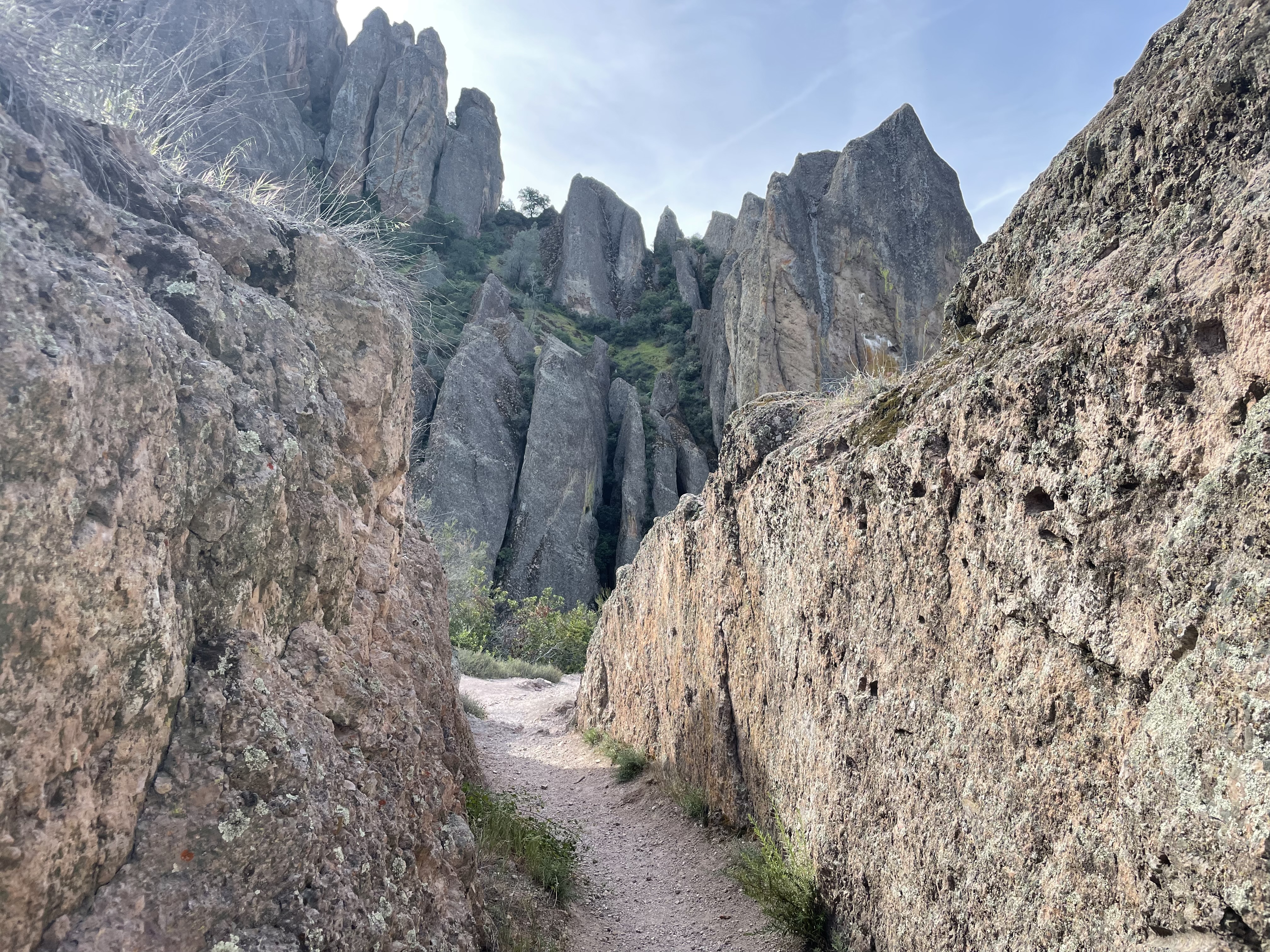
Strenuous hike to and through High Peaks. Begin west up towards High Peaks for excellent views, return on Old Pinnacles and the Balconies trails, in or around the cave.
*Access from the East Side, take Blue Oak to High Peaks retuning in or around cave to Old Pinnacles Trail.
Recreate Responsibly. Check park webpage alerts and weather forecast . Hiking, caving, and climbing can be fun but remember-if you get injured, you are a long way from medical help. Cell phones may not work in this remote park. Don't let your guard down when it comes to safety. Be prepared. Let someone know your plan before you go. Most of the trails are exposed. Bring a map and use the best judgement of your abilities. Drinking water is only available in developed areas-there is no water along any of the trails. Carry at least a liter of water for every hour of hiking. In winter, wear warm clothes and waterproof clothing. In summer, do not hike during the hottest parts of the day (10AM-4PM) especially on strenuous trails. Heat and dehydration can be fatal. Hiking steep trails requires more energy and results in greater water loss through sweating. Wear lightweight, light-colored, loose-fitting clothing. Wear sunscreen, a hat, and sunglasses. Wear sturdy, non-slip shoes or boots with ankle support due to rocky, uneven terrain and slick and sometimes slippery rocks. In all seasons, carry plenty of water and salty snacks (ex. pretzels, crackers, chips). Stay hydrated with plain water and an electrolyte drink replacement. Stay cool in summer and warm in winter and take rest breaks. Know your limits and turn back if needed. Stay on established trails to help prevent erosion. Wildflowers, pine cones, rocks, and other natural and cultural features are beautiful, but please do not remove or destroy them;leave them for the enjoyment of other visitors. All plants, animals, rocks, and structures in the park are protected by federal law. Be careful where you sit, step, and place your hands: poison oak, stinging nettle, and rattlesnakes are found here. Feeding, approaching, or hunting wildlife is prohibited. Using remotely piloted aircrafts like drones is prohibited.
Plan ahead and prepare. Take only pictures and leave only footprints, leaving objects as you find them. Observe wildlife from a distance and avoid loud voices or noises to be considerate of others.
Accessibility Difficulty: Strenuous Distance: Approx. 8.4 mile loop Trail width: Approx. 2 - 4 feet Maximum grade: 1,540 feet Surface Composition: dirt, rock, sand Exposure: Mostly no shade, limited shade on Old Pinnacles Trail In summer, expect temperatures in the High Peaks and Chalone Peaks to be 10 degrees hotter than parking areas. Avoid hiking during the hottest parts of the day. Flashlight required in the cave; Watch for low ceilings, slippery rocks, and uneven footing. Wading may be necessary in the winter when precipitation creates; Cave may be closed for short periods in winter due to flooding. *Service animals permitted
Hike Old Pinnacles Trail to Balconies Cave the Park Service's write-up
3-4 Hours · no dogs
Start Old Pinnacles Parking Area
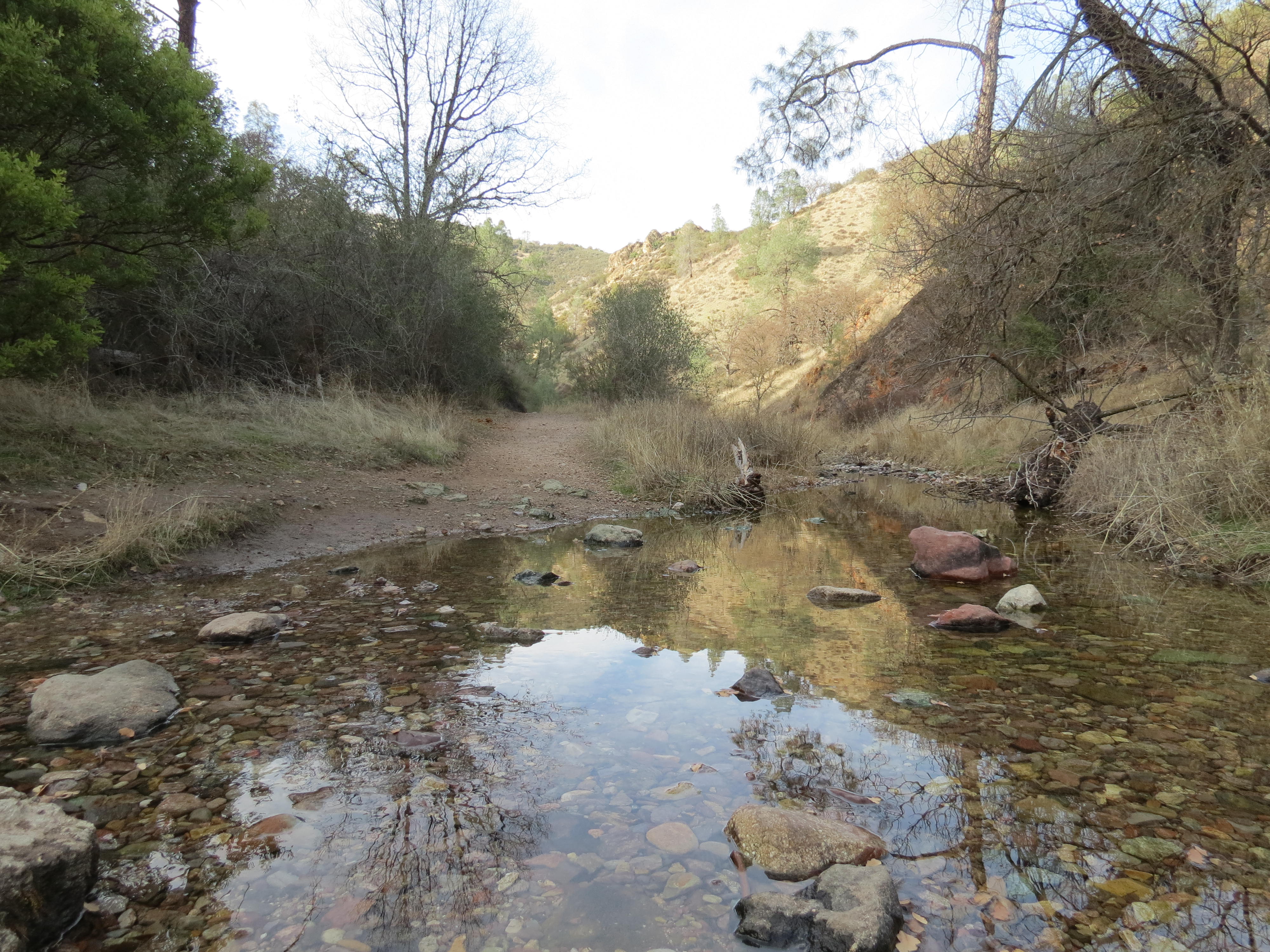
This sunny hike to Balconies Cave leads to towering rock formations: Machete Ridge and the Balconies Cliffs. Traverse through six creek crossings which flow seasonally. Begin at the Old Pinnacles Trailhead. Enter through the Balconies Cave and back around along the Balconies Cliffs.
Recreate Responsibly. Check park webpage alerts and weather forecast . Hiking, caving, and climbing can be fun but remember-if you get injured, you are a long way from medical help. Cell phones may not work in this remote park. Don't let your guard down when it comes to safety. Be prepared. Let someone know your plan before you go. Most of the trails are exposed. Bring a map and use the best judgement of your abilities. Drinking water is only available in developed areas-there is no water along any of the trails. Carry at least a liter of water for every hour of hiking. In winter, wear warm clothes and waterproof clothing. In summer, do not hike during the hottest parts of the day (10AM-4PM) especially on strenuous trails. Heat and dehydration can be fatal. Hiking steep trails requires more energy and results in greater water loss through sweating. Wear lightweight, light-colored, loose-fitting clothing. Wear sunscreen, a hat, and sunglasses. Wear sturdy, non-slip shoes or boots with ankle support due to rocky, uneven terrain and slick and sometimes slippery rocks. In all seasons, carry plenty of water and salty snacks (ex. pretzels, crackers, chips). Stay hydrated with plain water and an electrolyte drink replacement. Stay cool in summer and warm in winter and take rest breaks. Know your limits and turn back if needed. Stay on established trails to help prevent erosion. Wildflowers, pine cones, rocks, and other natural and cultural features are beautiful, but please do not remove or destroy them;leave them for the enjoyment of other visitors. All plants, animals, rocks, and structures in the park are protected by federal law. Be careful where you sit, step, and place your hands: poison oak, stinging nettle, and rattlesnakes are found here. Feeding, approaching, or hunting wildlife is prohibited. Using remotely piloted aircrafts like drones is prohibited.
Plan ahead and prepare. Take only pictures and leave only footprints, leaving objects as you find them. Observe wildlife from a distance and avoid loud voices or noises to be considerate of others.
Accessibility Difficulty: Moderate Distance: Approx. 5.4 miles roundtrip Trail width: Approx. 2 - 4 feet Maximum grade: 350 feet Surface Composition: sand, dirt, rock Exposure: Limited shade, no shade on Balconies Cliffs Trail Flashlight required in the cave; Watch for low ceilings, slippery rocks, and uneven footing. Wading may be necessary in the winter when precipitation creates; Cave may be closed for short periods in winter due to flooding. *Service animals permitted